Unlocking Harmony with Vastu: A Guide
Updated: Oct 1
Vastu Shastra, an ancient Indian architectural science, is gaining popularity worldwide for its principles that promote harmony and well-being in living spaces. This guide will explore the fundamental concepts of Vastu, how to implement them in your home, and the benefits they can bring to your life.
Understanding Vastu Shastra
Vastu Shastra is based on the belief that the environment around us influences our health, happiness, and prosperity. It combines elements of architecture, astrology, and spirituality to create spaces that are in tune with nature. Here are some key concepts:
Five Elements: Vastu is rooted in the five elements of nature: Earth, Water, Fire, Air, and Space. Each element has its own significance and must be balanced for optimal energy flow.
Directions: Each direction (North, South, East, West) is associated with specific energies and deities. Understanding these can help in positioning rooms and furniture effectively.
Energy Flow: The arrangement of spaces should allow for a smooth flow of energy, promoting positivity and reducing negativity.
The Benefits of Vastu
Implementing Vastu principles can lead to numerous benefits, including:
Improved Health: A well-designed space can enhance physical and mental well-being.
Increased Prosperity: Aligning your home with Vastu can attract wealth and abundance.
Enhanced Relationships: Harmonious spaces foster better communication and understanding among family members.
Key Vastu Principles for Your Home
1. Site Selection
Choosing the right location for your home is crucial. Look for:
Natural Surroundings: A site with greenery, water bodies, and hills is ideal.
Positive Energy: Avoid locations near graveyards, hospitals, or factories, as they can bring negative energy.
2. Layout and Design
The layout of your home should promote balance and harmony. Consider the following:
Entrance: The main entrance should face East or North to attract positive energy.
Room Placement: Place bedrooms in the Southwest, living rooms in the Northeast, and kitchens in the Southeast.
3. Colors and Materials
Colors and materials play a significant role in Vastu. Here are some tips:
Wall Colors: Use light colors like white, cream, or pastels for walls to create a calming atmosphere.
Natural Materials: Incorporate wood, stone, and clay to connect with nature.
4. Furniture Arrangement
The arrangement of furniture can impact energy flow. Follow these guidelines:
Avoid Clutter: Keep spaces organized and free of unnecessary items.
Positioning: Place heavy furniture against the South and West walls to create stability.
5. Lighting and Ventilation
Natural light and fresh air are essential for a healthy environment. Ensure:
Windows: Maximize natural light by having large windows, especially in the East.
Ventilation: Allow for cross-ventilation to keep the air fresh and flowing.

Vastu for Specific Areas of Your Home
Living Room
The living room is the heart of your home. To enhance its energy:
Seating Arrangement: Arrange seating in a way that encourages conversation, ideally in a circular or square layout.
Decor: Use artwork that inspires positivity and joy.
Kitchen
The kitchen is associated with nourishment and health. Key tips include:
Stove Placement: Position the stove in the Southeast corner for optimal energy.
Clutter-Free Counters: Keep countertops clean and organized to promote a healthy cooking environment.
Bedroom
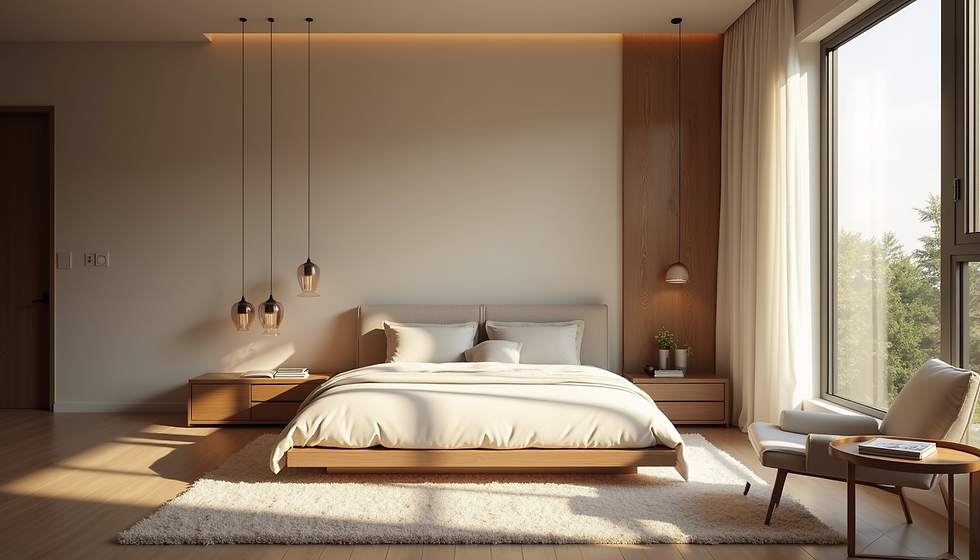
The bedroom should be a sanctuary for rest and rejuvenation. Consider:
Bed Position: Place the bed in the Southwest corner, with the headboard against a solid wall.
Colors: Use soothing colors like light blue or lavender to promote relaxation.
Home Office
In today's world, many people work from home. To create a productive workspace:
Desk Position: Position your desk facing the door but not directly in line with it.
Lighting: Ensure good lighting, preferably natural, to enhance focus and creativity.
Common Vastu Mistakes to Avoid
While implementing Vastu principles, be mindful of these common mistakes:
Ignoring Directions: Not considering the directional significance can lead to imbalances.
Overcrowding: Cluttering spaces can block energy flow and create stress.
Neglecting Maintenance: Regularly maintain your home to keep energy positive.
Conclusion
Vastu Shastra offers a holistic approach to creating harmonious living spaces. By understanding and implementing its principles, you can enhance your well-being, relationships, and prosperity. Start small by making changes in one area of your home and gradually expand your efforts. Remember, the goal is to create a space that feels good and supports your life journey.
Take the first step today by assessing your home through the lens of Vastu. You may be surprised at the positive changes that follow.

Comments